OxyDora
Tumour-Selective Chemo-SensitisationA new class of tumour-selective small molecules that are activated within solid tumours to make chemotherapy more effective at safer doses.
A new class of tumour-selective small molecules that are activated within solid tumours to make chemotherapy more effective at safer doses.
Traditional chemotherapy is limited by toxicity at high doses and off-target effects.
Solid tumours depend on platinum regimens, but doses are capped by toxicity.
Reductions are common due to neuropathy and organ damage.
Efficacy and tolerability are tightly constrained, reducing survival rates.
OxyDora is developing tumour-selective chemosensitisers that reprogram local immune defences in solid tumours with high ROS. The lead programme combines a proprietary MPO-activated small molecule with standard platinum chemotherapy in pancreatic cancer.
OXD-103 can achieve chemo sensitisation at MPO levels 20x below prior art, validating tumour-selective activation.
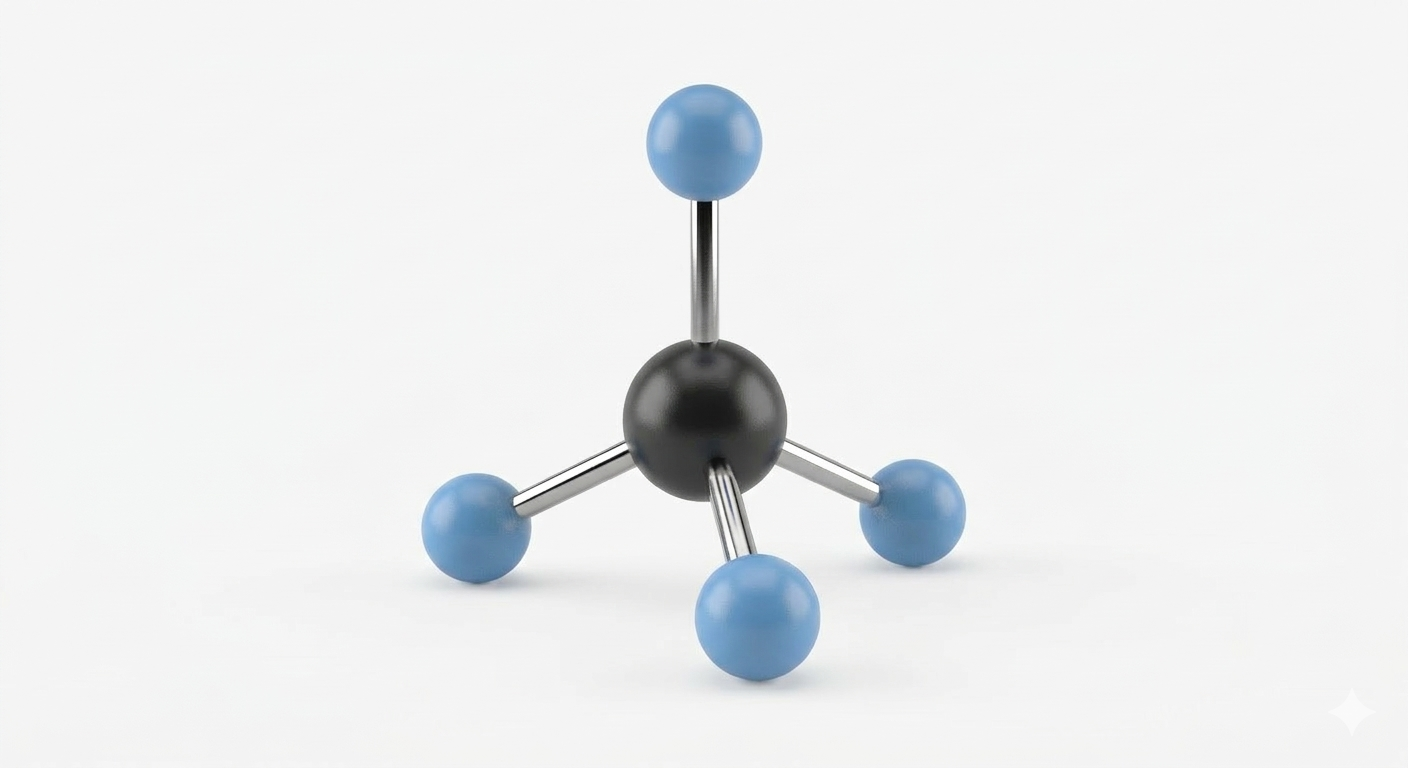 Optimised Small Molecule
Natural metabolite analogues designed as high-efficiency MPO substrates with drug-like properties. We aim to achieve comparable or superior tumour control to high-dose natural products, at clinically acceptable doses and systemic exposure.
Developed OXD-105 with a strong activation profile in pancreatic cell models.Exploiting the endogenous oxidant pool (MPO + ROS) rare in healthy tissue but abundant in solid tumours.
Converting the pathological immune environment into a localized chemical reactor for therapy.
Extending to multiple solid tumour indications and potential radiotherapy sensitisation.
Our platform exploits the unique chemical signature of the tumour microenvironment.
Inactive Analogue Administered
Selective MPO Activation
Local Reactive Intermediates
Tumour-Locked Sensitisation
Activation requires the presence of MPO and peroxide. In healthy tissues, these levels remain below the threshold, preventing off-target activity.
OxyDora overcomes the biological barriers that have limited previous generations of chemo-sensitisers.
Designed as optimized MPO substrates that achieve 20x higher activation efficiency than prior art.
Mechanism-of-action is strictly dependent on the tumour microenvironment, minimizing systemic toxicity.
A modular small-molecule approach applicable across multiple solid tumour indications and platinum-based therapies.
Chemo remains the foundation of cancer care.
Our aim is to make chemo work more effectively and safely.
OxyDora's long-term vision is to create a new class of tumour-restricted therapeutics that convert the pathological immune and redox environment of solid tumours into a self-contained chemical reactor.
By programming transient, local amplification of therapeutic damage only where cancer exists, OxyDora aims to remove systemic toxicity as the primary constraint in oncology and make existing therapies fundamentally more effective, safer, and longer-lasting.